Pioneering pieces of legislation

Several pioneering pieces of legislation have served as inspirations and models for legal systems worldwide. These laws have often set new standards for governance, justice, and human rights. Here are some examples:
Code of Ur-Nammu (circa 2100-2050 BCE): One of the earliest known legal codes, originating in ancient Sumeria (modern-day Iraq), it laid out rules and penalties for various offenses.
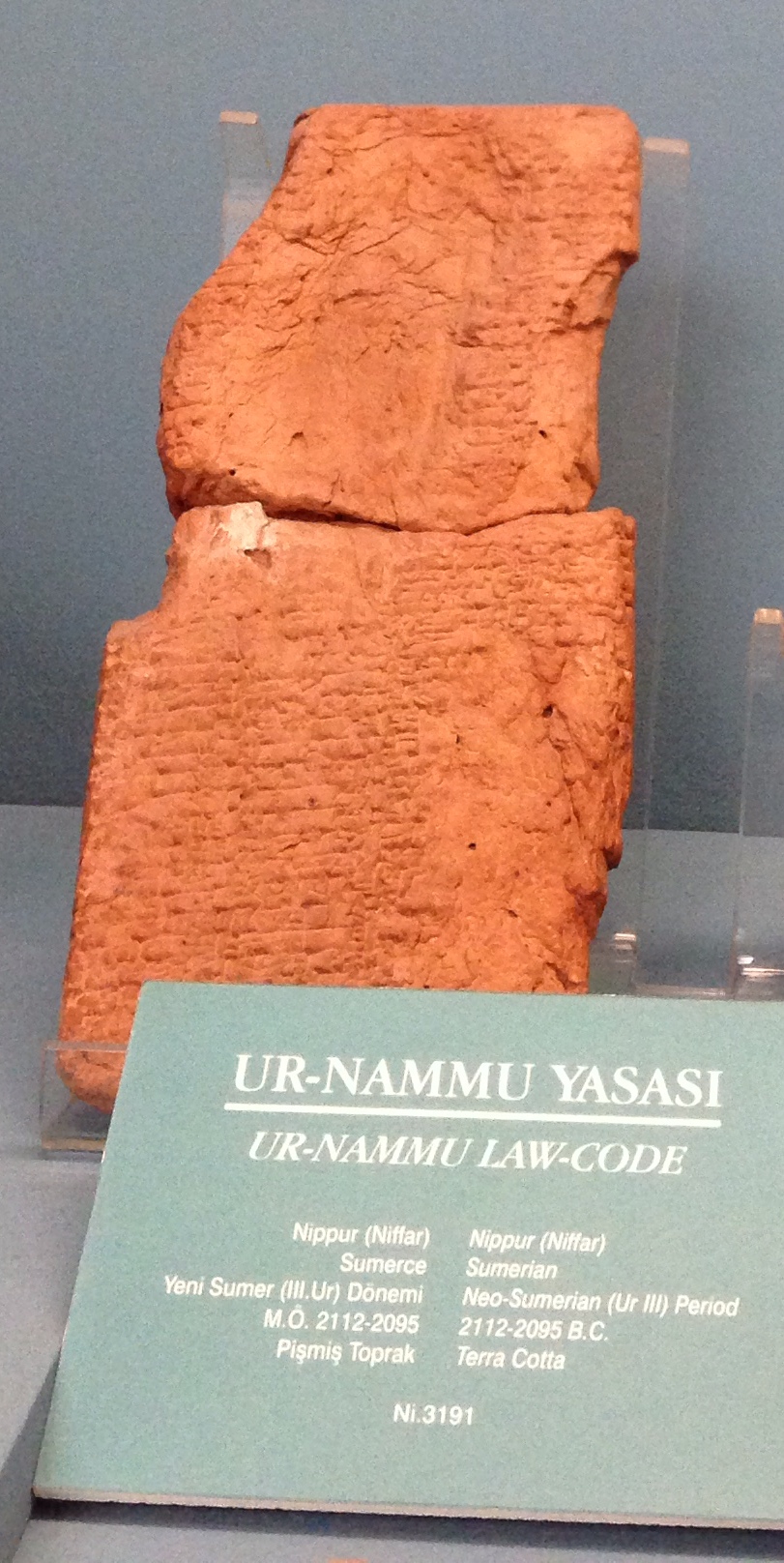
Hammurabi’s Code (circa 1754 BCE): An ancient Babylonian legal code that is one of the earliest and most well-preserved written sets of laws, covering a wide range of issues and emphasizing the concept of “an eye for an eye.”

Justinian’s Code (529-534 CE): A compilation of Roman laws undertaken during the reign of Emperor Justinian I, it became a foundational legal source in the Byzantine Empire and had a lasting influence on European legal systems.

Magna Carta (1215): As mentioned earlier, Magna Carta is a historic document that influenced the development of constitutional law, limiting the powers of the monarchy and establishing principles of justice.

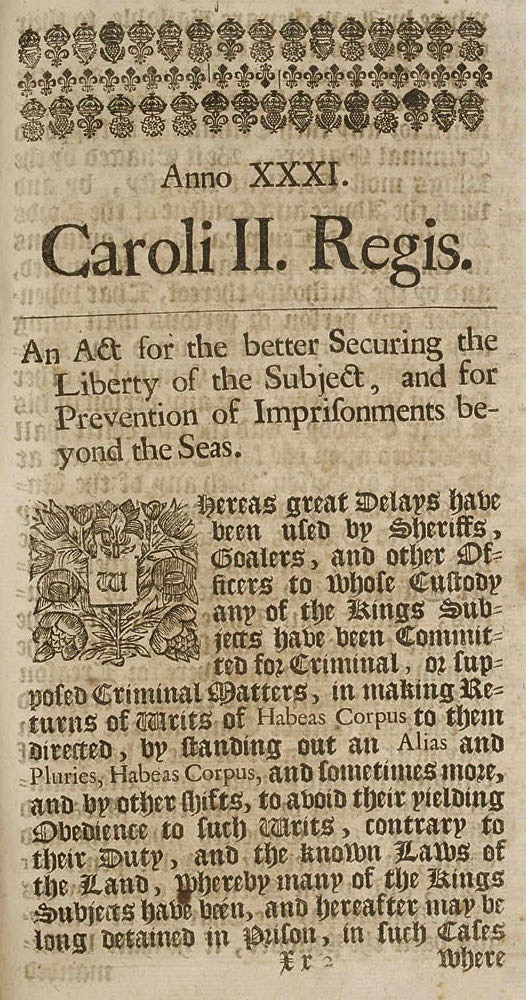
The Petition of Right (1628): An English constitutional document that aimed to limit the power of the monarch and protect the rights of individuals, including protection from arbitrary imprisonment and taxation without representation.
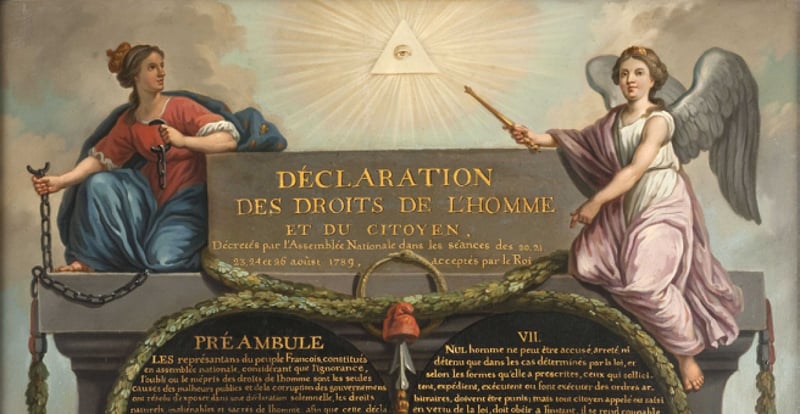
Declaration of the Rights of Man and of the Citizen (1789): Emerging from the French Revolution, this declaration emphasized individual liberties and equality, influencing subsequent human rights declarations and constitutions worldwide.
U.S. Bill of Rights (1791): The first ten amendments to the United States Constitution, guaranteeing fundamental rights such as freedom of speech, religion, and the right to a fair trial.

The Napoleonic Code (1804): A civil law code established under Napoleon Bonaparte, serving as a model for legal systems in many countries and emphasizing equality before the law and protection of property rights.

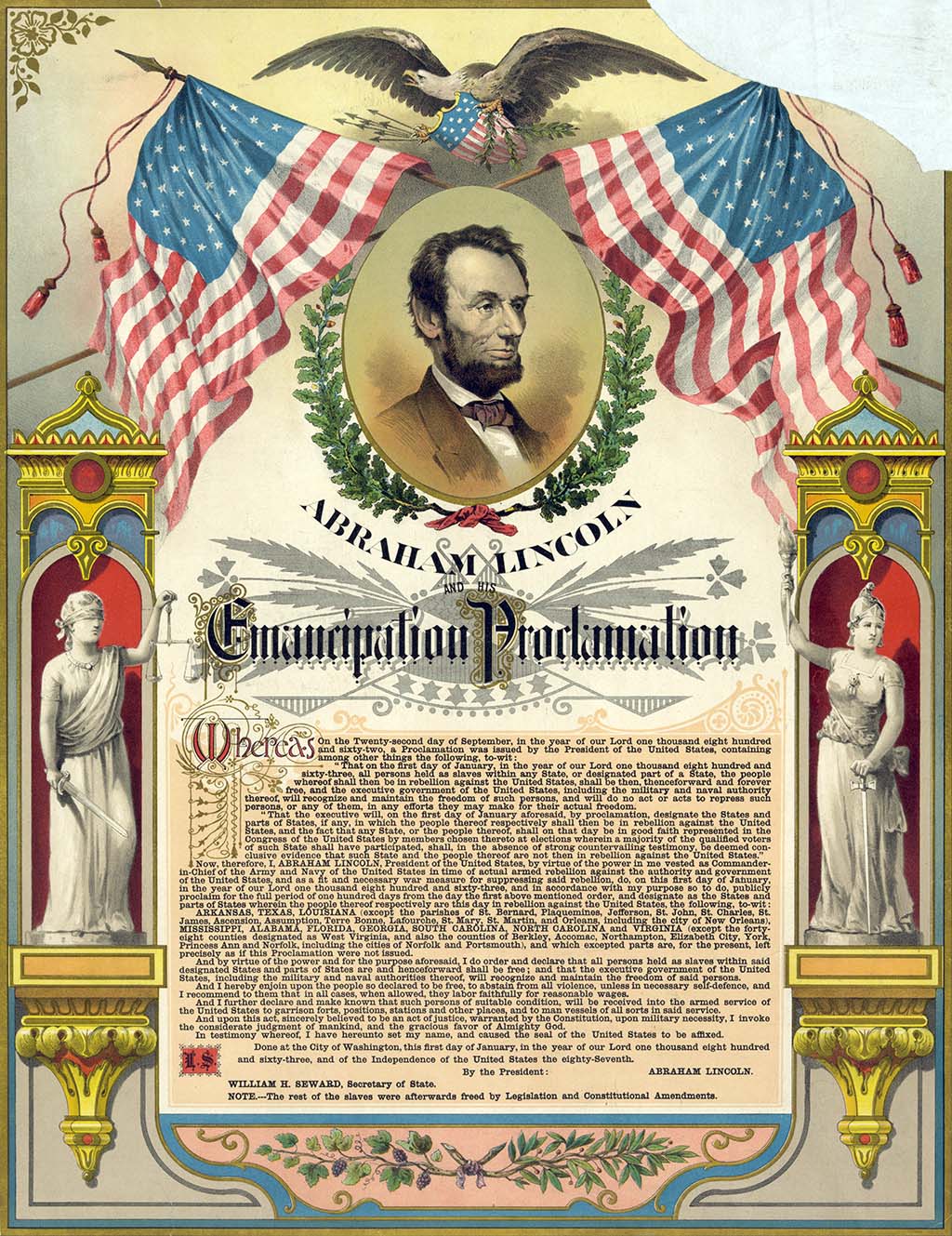
Emancipation Proclamation (1863): While not a traditional law, this executive order issued by U.S. President Abraham Lincoln during the American Civil War declared slaves in Confederate-held territory to be free, influencing later anti-slavery and civil rights movements.
Indian Independence Act (1947): The legislation that led to the partition of British India into two independent nations, India and Pakistan, served as a landmark in the decolonization process and influenced subsequent independence movements.

These laws and declarations have played pivotal roles in shaping legal and political systems, serving as sources of inspiration and models for subsequent legal developments around the world.